| Organic Seeds | Edible Plants | Organic Pest Controls | Books | Tools, Propagation & Fertilisers | Sprouting & Microgreens | Poultry Supplies | Specials & Gift Ideas |

Top

We will send an email to this address*
when is next available
* we will use this email address only for this notification and then we will delete it.
 Home
Home
Green Harvest Organic Gardening Supplies is permanently closed as of 5pm on 1-11-2023.
We will not be taking orders by this website, in person, by phone or email. Our display garden and retail shop are closed forever.
Read more...
Phone:07 54357000
Phone calls will only be responded to sporadically and only in reference to orders placed prior to 2-11-2023. All the useful growing and organic pest management research and resources are available on this website for a while still.
Salad Mix © Frances Michaels
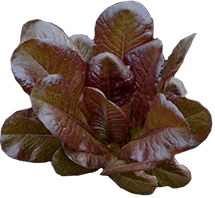 Salad mix, mesclun, baby leaf and microgreens are new terms for many gardeners although they have been available
in supermarkets as a packaged salad item for many years. So what are they and are they worth growing in the home
garden?
Salad mix, mesclun, baby leaf and microgreens are new terms for many gardeners although they have been available
in supermarkets as a packaged salad item for many years. So what are they and are they worth growing in the home
garden?
To view the Green Harvest Microgreens Growing Information which includes detailed information on growing wheatgrass, sunflower sprouts and buckwheat 'lettuce'.
To view the Green Harvest Sprouts Growing Information which includes detailed information on everything you need to know to sprout seeds successfully.
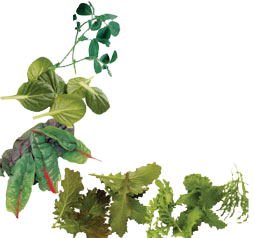 Salad Mixes, 'baby leaf' or 'mesclun' are an assortment of green, leafy
vegetables grown in a seedbed and picked by removing the outside leaves at a 'baby leaf' stage. Salad mixes
or 'mesclun' were originally French; the name comes from the word mescla, which means 'to mix' in the local
dialect of Nice. The idea was to make a salad that included diverse taste and texture sensation: bitter, sweet,
tangy, crunchy and tender. The original recipe was a combination of early shoots of rocket, dandelion greens
and lettuce. Other ingredients in a mix might include chicories (syn. radicchio), beetroot greens, asian greens
(tatsoi, mizuna), spinach, kale, and mustard greens.
Salad Mixes, 'baby leaf' or 'mesclun' are an assortment of green, leafy
vegetables grown in a seedbed and picked by removing the outside leaves at a 'baby leaf' stage. Salad mixes
or 'mesclun' were originally French; the name comes from the word mescla, which means 'to mix' in the local
dialect of Nice. The idea was to make a salad that included diverse taste and texture sensation: bitter, sweet,
tangy, crunchy and tender. The original recipe was a combination of early shoots of rocket, dandelion greens
and lettuce. Other ingredients in a mix might include chicories (syn. radicchio), beetroot greens, asian greens
(tatsoi, mizuna), spinach, kale, and mustard greens.
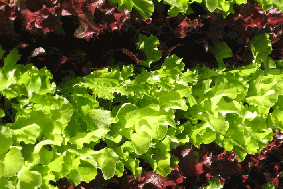
Why Grow Salad Mixes?
If you were only going to grow one type of vegetable in your garden it should be leafy greens. Leafy greens begin to lose Vitamin C and other nutrients from the moment they are picked and so are very vulnerable to nutrient loss. Other vegetables like carrots or tomatoes have vitamins that are far more stable.
In the Garden: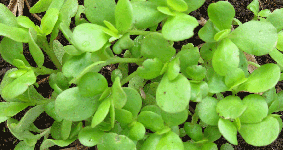 In the home garden it is best to set aside a small area for salad production, even 1m by 1m is enough to begin
with. Pick a sunny spot with good soil and drainage. It is an advantage to box in the area so it is slightly raised.
Dig the soil over thoroughly and incorporate compost, mushroom compost or well-rotted animal manure. It is worth
spending a bit of time preparing the area. Plan to cover the area during hot periods with shadecloth (30%, preferably
white) on a frame. This will allow you to continue production well into summer. Plan to leave space for successive
sowings so you will not have long to wait between harvests. Sowing seed each week will ensure you always have fresh
greens. For mixed packets of seed simply scatter (broadcast) seeds thinly or sprinkle seeds in close rows about 8 -
10 cm apart; cover with 5 - 8 mm of soil. If the seeds are packaged separately then rows is the way to go because
it allows for the different growth rates and so the fastest growing types will not 'monster' the others. Water well,
and keep damp until seeds sprout. Unchecked, rapid growth is the main requirement for tender greens; a constant
supply of soil moisture is crucial. After germination, thin seedlings to a final spacing of 2 - 3 cm. The thinnings
make fine salad additions.
In the home garden it is best to set aside a small area for salad production, even 1m by 1m is enough to begin
with. Pick a sunny spot with good soil and drainage. It is an advantage to box in the area so it is slightly raised.
Dig the soil over thoroughly and incorporate compost, mushroom compost or well-rotted animal manure. It is worth
spending a bit of time preparing the area. Plan to cover the area during hot periods with shadecloth (30%, preferably
white) on a frame. This will allow you to continue production well into summer. Plan to leave space for successive
sowings so you will not have long to wait between harvests. Sowing seed each week will ensure you always have fresh
greens. For mixed packets of seed simply scatter (broadcast) seeds thinly or sprinkle seeds in close rows about 8 -
10 cm apart; cover with 5 - 8 mm of soil. If the seeds are packaged separately then rows is the way to go because
it allows for the different growth rates and so the fastest growing types will not 'monster' the others. Water well,
and keep damp until seeds sprout. Unchecked, rapid growth is the main requirement for tender greens; a constant
supply of soil moisture is crucial. After germination, thin seedlings to a final spacing of 2 - 3 cm. The thinnings
make fine salad additions.
In Containers: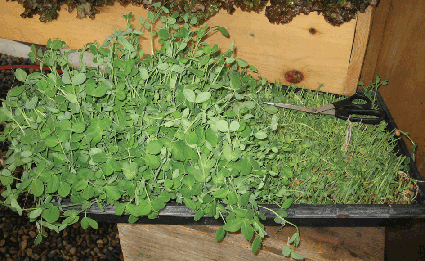 Salad mix can also be grown in seedling trays or recycled styrofoam boxes. For your soil mix choose between organic,
potting mix (look for an organic certification number on the bag), cocopeat, vermiculite, sieved compost or worm
castings. If the trays or boxes have large holes in the base that allow the soil mix to leak out, try covering the
base first with a single sheet of slightly moistened newspaper. To grow a batch of salad mix fill the tray with your
selected soil mix 3 - 4 cm deep and moisten the mix. Sprinkle the seeds evenly on top of the mix, try to leave a few
centimeters of space around each seed. Overcrowding will increase the risk of damping off disease. Gently pat the
seeds down; then cover with 0.5 cm of mix. There are exceptions to this e.g. lettuce seed which only needs to be
pressed firmly into the soil, but left uncovered. Then cover the tray with a lid or another inverted tray to help
keep the seeds moist until they sprout. Water often using a sprayer. Adding diluted organic nutrients e.g. kelp or
compost tea to the sprayer will improve the nutrient levels in the salad mix. When a salad mix tray is finished, add
it to the compost. Place your seed trays in a shadehouse or on a deck or sunny verandah An easy way to get started is
to use a Mini-Greenhouse. This is a tubular steel-framed structure that can be placed on a deck or balcony.
Salad mix can also be grown in seedling trays or recycled styrofoam boxes. For your soil mix choose between organic,
potting mix (look for an organic certification number on the bag), cocopeat, vermiculite, sieved compost or worm
castings. If the trays or boxes have large holes in the base that allow the soil mix to leak out, try covering the
base first with a single sheet of slightly moistened newspaper. To grow a batch of salad mix fill the tray with your
selected soil mix 3 - 4 cm deep and moisten the mix. Sprinkle the seeds evenly on top of the mix, try to leave a few
centimeters of space around each seed. Overcrowding will increase the risk of damping off disease. Gently pat the
seeds down; then cover with 0.5 cm of mix. There are exceptions to this e.g. lettuce seed which only needs to be
pressed firmly into the soil, but left uncovered. Then cover the tray with a lid or another inverted tray to help
keep the seeds moist until they sprout. Water often using a sprayer. Adding diluted organic nutrients e.g. kelp or
compost tea to the sprayer will improve the nutrient levels in the salad mix. When a salad mix tray is finished, add
it to the compost. Place your seed trays in a shadehouse or on a deck or sunny verandah An easy way to get started is
to use a Mini-Greenhouse. This is a tubular steel-framed structure that can be placed on a deck or balcony.
How to Harvest Salad Mix
Harvest by cutting leaves as they reach 5 - 10 cm in length; use scissors to snip them off just above the growing crowns (about 2.5 cm above the soil level) if you would like to be able to pick several times. This is called the cut-and-come-again method because the crop will grow back if you water and fertilise. Or you can choose to harvest whole plants. The green, leafy vegetables that are part of the salad mix can also be grown individually to a mature size. The best time to harvest is early in the morning before the sun is high; heat causes wilting. Once you've harvested, rinse the leaves in cold water and drain on towels or pat dry. Mesclun is at its crispest with the best flavour when it's just harvested, so use it as soon as possible. Avoid using salad spinners because they bruise the leaves.
Salad mix, mesclun, baby leaf and microgreens are new terms for many gardeners although they have been available
in supermarkets as a packaged salad item for many years. So what are they and are they worth growing in the home
garden?To view the Green Harvest Microgreens Growing Information which includes detailed information on growing wheatgrass, sunflower sprouts and buckwheat 'lettuce'.
To view the Green Harvest Sprouts Growing Information which includes detailed information on everything you need to know to sprout seeds successfully.
Salad Mixes, 'baby leaf' or 'mesclun' are an assortment of green, leafy
vegetables grown in a seedbed and picked by removing the outside leaves at a 'baby leaf' stage. Salad mixes
or 'mesclun' were originally French; the name comes from the word mescla, which means 'to mix' in the local
dialect of Nice. The idea was to make a salad that included diverse taste and texture sensation: bitter, sweet,
tangy, crunchy and tender. The original recipe was a combination of early shoots of rocket, dandelion greens
and lettuce. Other ingredients in a mix might include chicories (syn. radicchio), beetroot greens, asian greens
(tatsoi, mizuna), spinach, kale, and mustard greens.Why Grow Salad Mixes?
If you were only going to grow one type of vegetable in your garden it should be leafy greens. Leafy greens begin to lose Vitamin C and other nutrients from the moment they are picked and so are very vulnerable to nutrient loss. Other vegetables like carrots or tomatoes have vitamins that are far more stable.
- A large quantity of the salad greens available in the supermarket are grown hydroponically, the complete opposite of organically. Hydroponics is a growing system that bypasses the soil in favour of a 'nutrient soup' made from chemical fertilisers fed directly to the plants. The lettuces in the supermarket might look like a lettuce but chemical cocktail might be a better description.
- If you have only limited space then this is a rewarding way to use it. Salad mixes can be grown in recycled styrofoam boxes or other containers even on a balcony.
- It is one of those gardening ironies that just when you want salad, it is the hardest time of the year to grow it but growing a small area of salad mix under shade will minimise your watering and allow you to produce salad greens at the hotter times of the year.
In the Garden:
In the home garden it is best to set aside a small area for salad production, even 1m by 1m is enough to begin
with. Pick a sunny spot with good soil and drainage. It is an advantage to box in the area so it is slightly raised.
Dig the soil over thoroughly and incorporate compost, mushroom compost or well-rotted animal manure. It is worth
spending a bit of time preparing the area. Plan to cover the area during hot periods with shadecloth (30%, preferably
white) on a frame. This will allow you to continue production well into summer. Plan to leave space for successive
sowings so you will not have long to wait between harvests. Sowing seed each week will ensure you always have fresh
greens. For mixed packets of seed simply scatter (broadcast) seeds thinly or sprinkle seeds in close rows about 8 -
10 cm apart; cover with 5 - 8 mm of soil. If the seeds are packaged separately then rows is the way to go because
it allows for the different growth rates and so the fastest growing types will not 'monster' the others. Water well,
and keep damp until seeds sprout. Unchecked, rapid growth is the main requirement for tender greens; a constant
supply of soil moisture is crucial. After germination, thin seedlings to a final spacing of 2 - 3 cm. The thinnings
make fine salad additions.In Containers:
Salad mix can also be grown in seedling trays or recycled styrofoam boxes. For your soil mix choose between organic,
potting mix (look for an organic certification number on the bag), cocopeat, vermiculite, sieved compost or worm
castings. If the trays or boxes have large holes in the base that allow the soil mix to leak out, try covering the
base first with a single sheet of slightly moistened newspaper. To grow a batch of salad mix fill the tray with your
selected soil mix 3 - 4 cm deep and moisten the mix. Sprinkle the seeds evenly on top of the mix, try to leave a few
centimeters of space around each seed. Overcrowding will increase the risk of damping off disease. Gently pat the
seeds down; then cover with 0.5 cm of mix. There are exceptions to this e.g. lettuce seed which only needs to be
pressed firmly into the soil, but left uncovered. Then cover the tray with a lid or another inverted tray to help
keep the seeds moist until they sprout. Water often using a sprayer. Adding diluted organic nutrients e.g. kelp or
compost tea to the sprayer will improve the nutrient levels in the salad mix. When a salad mix tray is finished, add
it to the compost. Place your seed trays in a shadehouse or on a deck or sunny verandah An easy way to get started is
to use a Mini-Greenhouse. This is a tubular steel-framed structure that can be placed on a deck or balcony.How to Harvest Salad Mix
Harvest by cutting leaves as they reach 5 - 10 cm in length; use scissors to snip them off just above the growing crowns (about 2.5 cm above the soil level) if you would like to be able to pick several times. This is called the cut-and-come-again method because the crop will grow back if you water and fertilise. Or you can choose to harvest whole plants. The green, leafy vegetables that are part of the salad mix can also be grown individually to a mature size. The best time to harvest is early in the morning before the sun is high; heat causes wilting. Once you've harvested, rinse the leaves in cold water and drain on towels or pat dry. Mesclun is at its crispest with the best flavour when it's just harvested, so use it as soon as possible. Avoid using salad spinners because they bruise the leaves.
Home
Green Harvest Organic Gardening Supplies is permanently closed as of 5pm on 1-11-2023.
We will not be taking orders by this website, in person, by phone or email. Our display garden and retail shop are closed forever.
Read more...
Phone:07 54357000
Phone calls will only be responded to sporadically and only in reference to orders placed prior to 2-11-2023. All the useful growing and organic pest management research and resources are available on this website for a while still.
We guarantee our seeds to the value of the purchase price. We are happy to replace the seeds, give you a credit or refund, whichever you prefer. Other than our guarantee to the extent of the purchase price Green Harvest gives no other warranty expressed or implied. No liability will be accepted by Green Harvest, its owners or employees as to the accuracy of any information. No responsibility will be taken for damage to property or persons due to information given about a product or technique. No responsibility will be taken for the loss of a crop or income due to information given about a product or technique.
 Shopping here is private and secure.
Copyright © 2001 - 2024 Green Harvest Organic Gardening Supplies
No part of this website may be reproduced without permission of the owner